
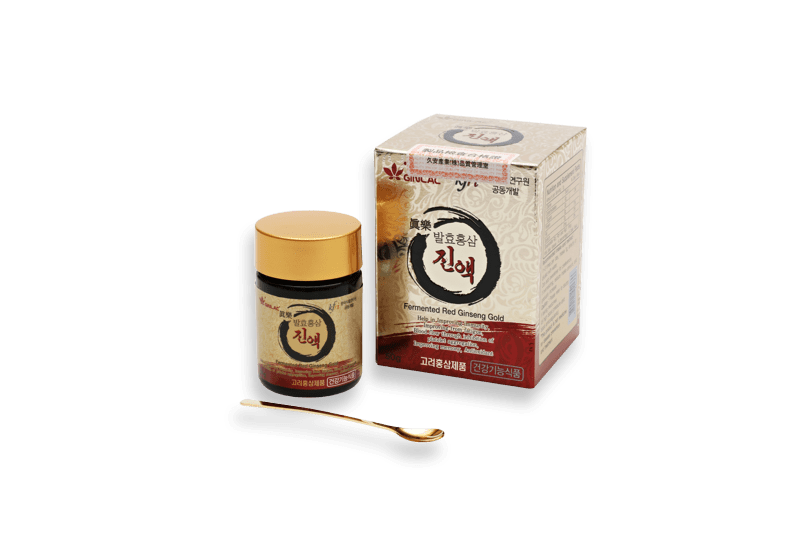
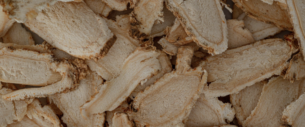
The advanced level expression of the EIR Korean Ginseng Protocol.
This product combines:
• 95% Korean Red Ginseng Extract
• 5% Fermented Korean Red Ginseng Extract
This premium paste combines traditional Korean red ginseng extract with fermented red ginseng extract in a medium concentrated formulation.
The fermentation process is designed to transform naturally occurring ginsenosides into smaller metabolites before consumption. This approach is based on the understanding that intestinal conversion of ginsenosides varies considerably between individuals.
Rather than relying entirely on gut microbiota to perform this transformation, fermentation provides a source of pre-converted ginsenosides while preserving the broader phytochemical profile of Korean red ginseng.
The result is a enhanced botanical preparation intended for individuals seeking a longevity ginseng formulation as part of a wellness maintaining health protocol.
More Than Fermentation—A Patented Bioconversion Process
Not all fermentation is the same.
This product is produced using a patented Bifidobacterium H-1 fermentation process developed specifically for Korean Red Ginseng. During fermentation, naturally occurring ginsenosides are transformed into more advanced metabolites, including Compound K and Ginsenoside Rh2, through a controlled bioconversion process.
Rather than relying entirely on the bacteria in your own digestive system to perform this conversion, part of the process has already taken place before the product reaches you.
At EIR Institute, we believe this represents one of the most important developments in modern ginseng science—combining centuries of traditional Korean medicine with contemporary fermentation technology.
We selected this fermented Korean Red Ginseng by Ginlac because it embodies principles that are central to the EIR philosophy. It combines traditional Korean cultivation with modern fermentation technology, places a strong emphasis on bioavailability, is supported by published research and patented production methods, and reflects a systems-based approach to botanical science.
The Missing Step Between the Plant and Your Body
Growing an exceptional plant is only the beginning, what ultimately matters is whether your body can convert and absorb ginseng active compounds.
According to research, individuals differ significantly in their ability to transform ordinary ginsenosides into biologically active metabolites such as Compound K and Rh2 – approximately 37% of people may have limited conversion of these compounds.
Fermentation is designed to begin this transformation before consumption, helping make the extract more ready for intestinal absorption.
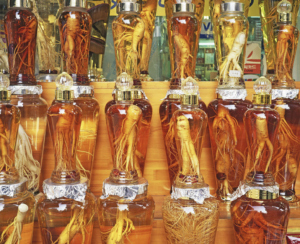
From Traditional Ginseng to More Bioavailable Metabolites
The health-promoting compounds found in Panax ginseng are called ginsenosides. These naturally occurring plant compounds are considered the primary bioactive constituents of Korean ginseng and have been the focus of decades of scientific research.
Traditional Korean Red Ginseng already differs from white ginseng because the steaming process naturally transforms part of its ginsenoside profile. This creates new ginsenosides, such as Rg3, while preserving the overall richness of the extract.
The next step is fermentation.
Using a patented Bifidobacterium H-1 fermentation process, selected ginsenosides are further converted into advanced metabolites, including Compound K and Ginsenoside Rh2. These metabolites are more readily absorbed and biologically available than many of the original ginsenosides.
Why It Earned a Place at EIR Institute
We look for ingredients that demonstrate a thoughtful combination of traditional knowledge, modern science and biological relevance.
We selected this fermented Korean Red Ginseng by Ginlac because it embodies principles that are central to the EIR Institute philosophy. It combines traditional Korean cultivation with modern fermentation technology, places a strong emphasis on bioavailability, is supported by published research and patented production methods, and reflects a systematic-based approach to botanical science and health rather than a focus on ingredient quantity alone.